We run a graduate programme every week, an opportunity to have that back up after an intensive piece of therapy has finished. Because finishing therapy doesn’t mean you stop being human.

One of the most important parts of therapy is learning to do things differently for yourself. It’s a bit like taking the stabilisers off a bike – eventually, the aim is to feel able to keep yourself going without your therapist beside you. But that doesn’t mean you’ll never wobble.

Life continues after therapy. Relationships change, difficult things happen and sometimes you just need somewhere to pause and think: Am I seeing this clearly? or ‘What would you do with this? And the people around you aren’t always the best sounding board. Friends and family may love you deeply, but they’re part of your life too – which can make it difficult to get an objective perspective. Equally, you might not want to return to individual therapy every time something feels a bit difficult.

The Graduate Programme is designed for that bit in between.

It’s an ongoing space for people who have completed therapy, or feel ready to step out of regular individual work, but would still value some connection, perspective and support along the way. Each week, we meet online for an hour. It’s a chance to meet other like-minded people, share experiences, ask questions, get practical advice and top tips, or simply check something out with people who understand.

Sometimes you might bring something you’re struggling with. Sometimes you might learn something that helps with a situation you haven’t even encountered yet. And sometimes you might just turn up, listen and remember that you’re not the only one figuring this stuff out.

You’ll also have access to a WhatsApp group between sessions, giving you a place to stay connected, share useful resources and ask questions when you need a little perspective.

It’s about keeping the gains you’ve made, staying connected to yourself and having somewhere to turn when you need a little support.

You’ve learnt to ride the bike. We’re still here if you wobble.
Who you might work with

All Profiles
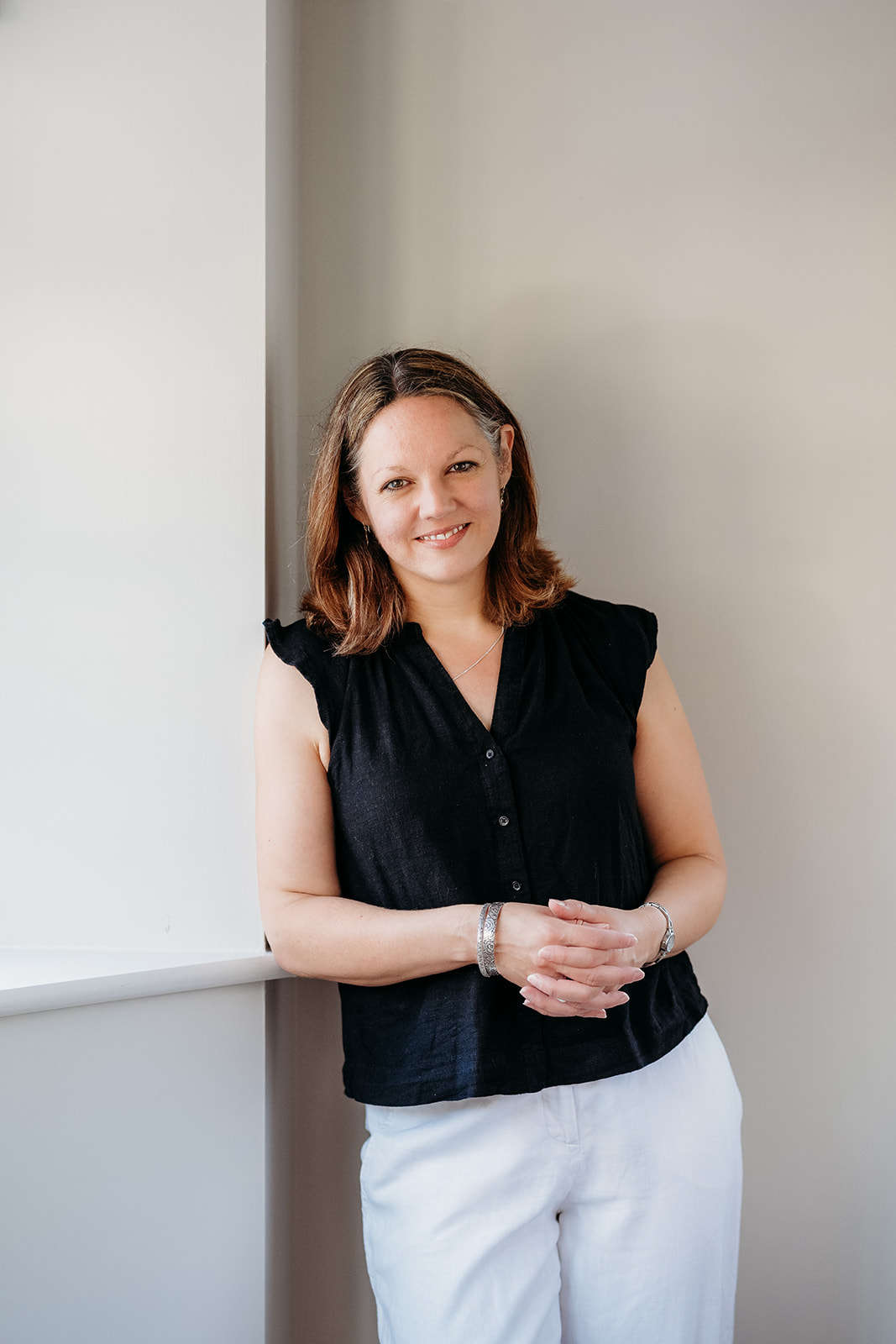
A woman with shoulder-length brown hair smiles while leaning against a wall, wearing a black sleeveless top and white pants.

Louise

Co-founder - Clinical Psychologist

A smiling woman with long blonde hair wearing a black button-down shirt and light-colored trousers stands in front of a wooden desk.

Emma

Co-founder - UKCP Accredited Psychotherapist

A smiling woman wearing glasses and a green blouse leans against a wall.

Jemma

DBT therapist

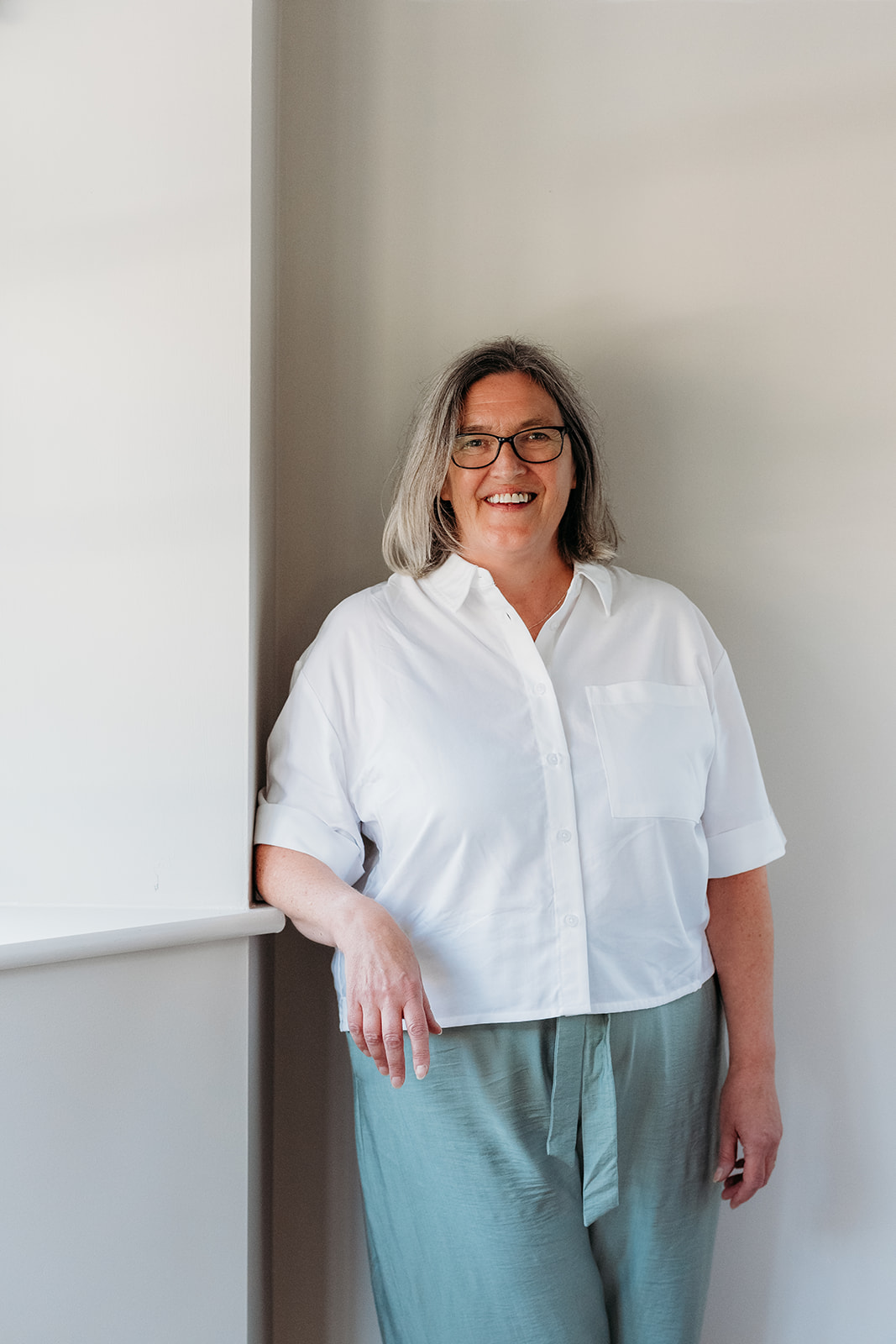
A smiling woman with shoulder-length grey hair and glasses wearing a white short-sleeved button-down shirt and light green trousers, leaning against a wall.

Helen

Psychotherapist (DBT therapist)

A smiling woman wearing a grey hijab and a black top.

Agata

Clinical Psychologist

Other Services

EMDR

EMDR (Eye Movement Desensitisation and Reprocessing) is a specific form of trauma therapy that can help the brain process experiences that still feel emotionally or physically ‘stuck’.

Graduate programme

We run a graduate programme every week, an opportunity to have that back up after an intensive piece of therapy has finished so to. Because finishing therapy doesn’t mean you stop being human.

Individual therapy

One-to-one work with a senior clinician, matched to you rather than to whoever has a gap. We agree the approach together on the first call and review it as we go.

Individual DBT Therapy

One-to-one work with a senior clinician, matched to you rather than to whoever has a gap. We agree the approach together on the first call and review it as we go.

Full DBT programme

The complete, adherent DBT model: weekly individual therapy, a skills group, between-session phone coaching and a consult team behind your therapist. Run in intakes so groups start together.

DBT-Informed Groups

Skills-only groups for people who want the practical tools - distress tolerance, emotion regulation, interpersonal effectiveness, mindfulness - without the full commitment.

Trauma therapy, including EMDR

For single-incident trauma and for the longer, more tangled kind. Paced carefully, with stabilisation first - we won't rush you into processing before you're ready.

Neurodivergent-Informed Therapy

Every therapist here adapts as standard: sensory needs, processing time, written summaries, sessions can be recorded to be reviewed afterwards, walking sessions. You shouldn't have to mask to get therapy.

Family & parent work

Support for the people around someone who's struggling - including parents of teenagers, and DBT skills for families.